![]() |
|
|
Home |
|
You can help!
|
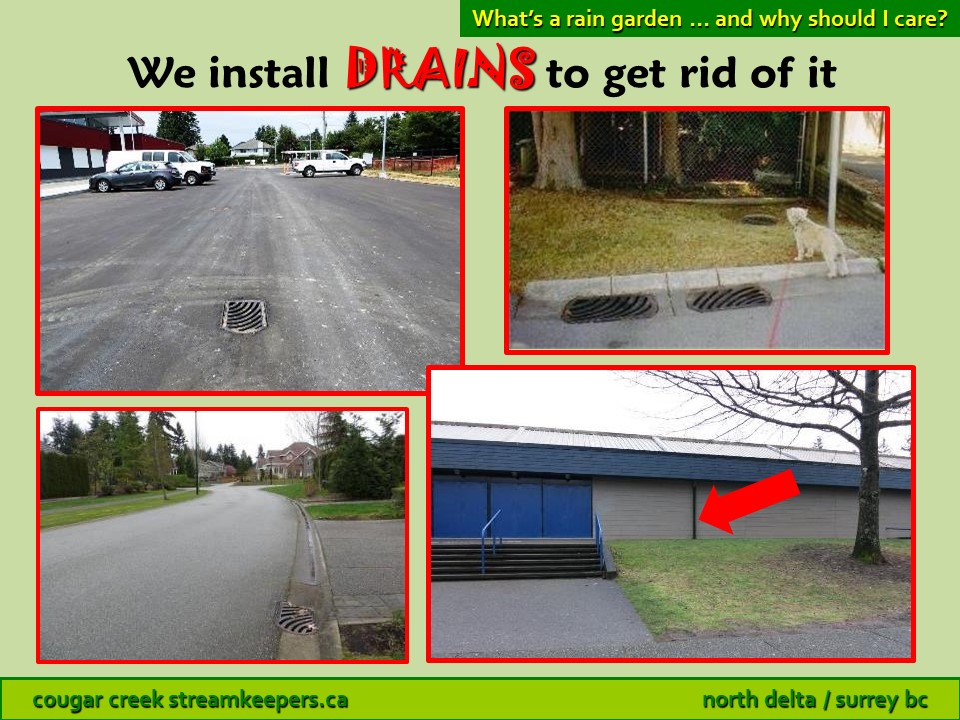
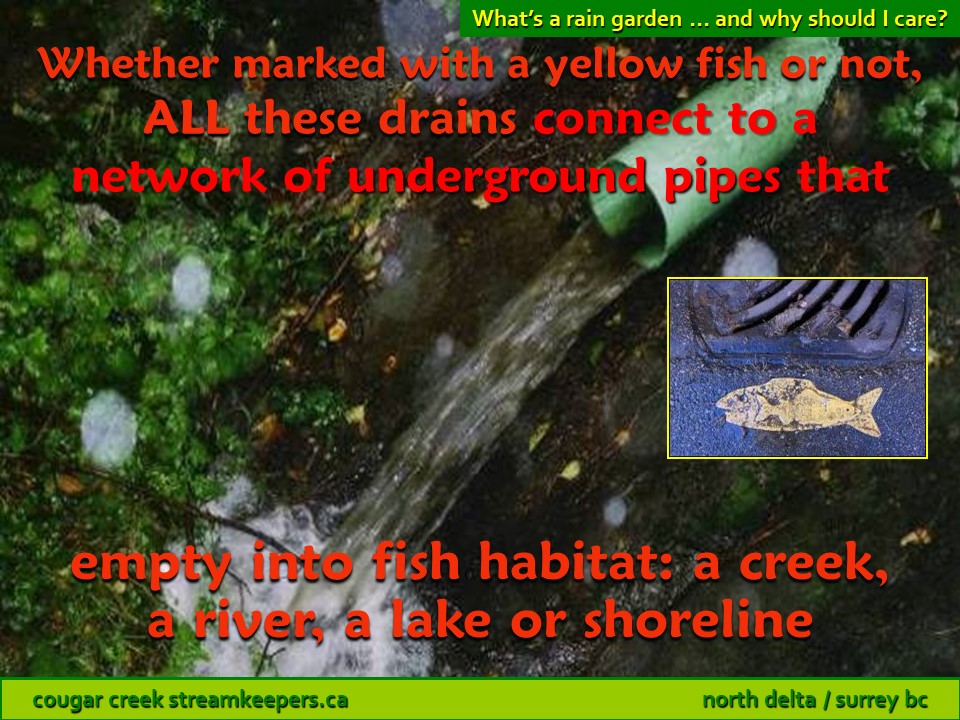
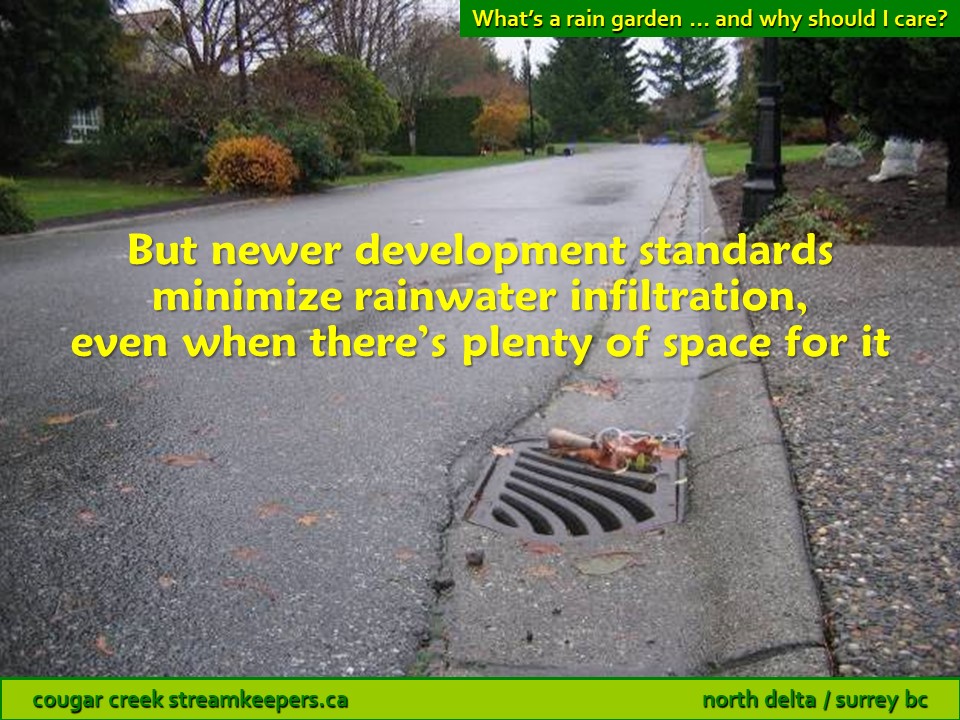
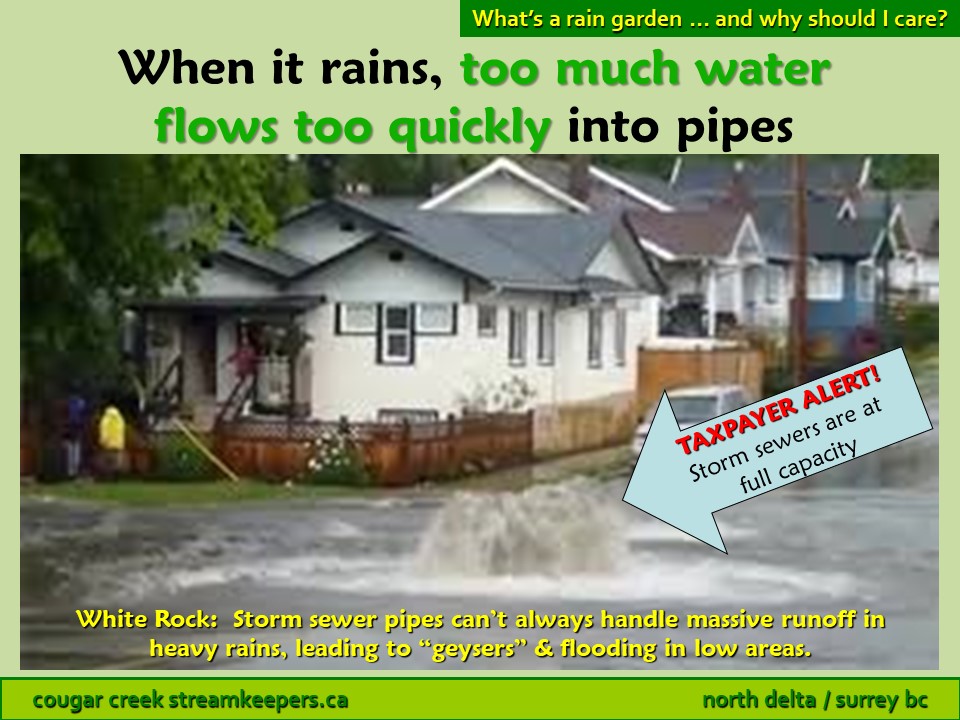
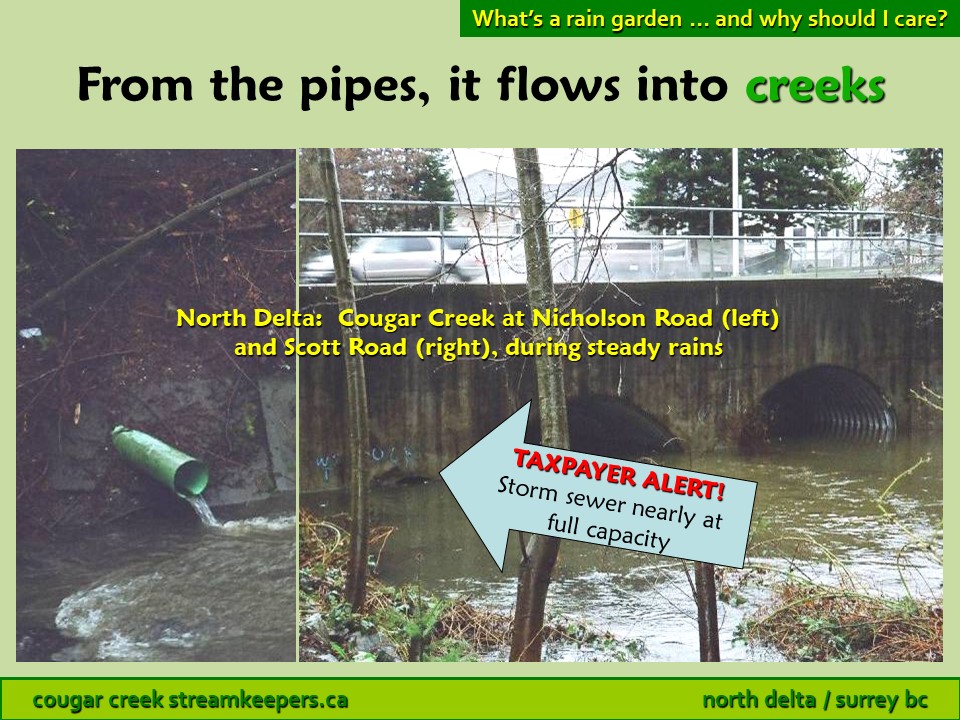
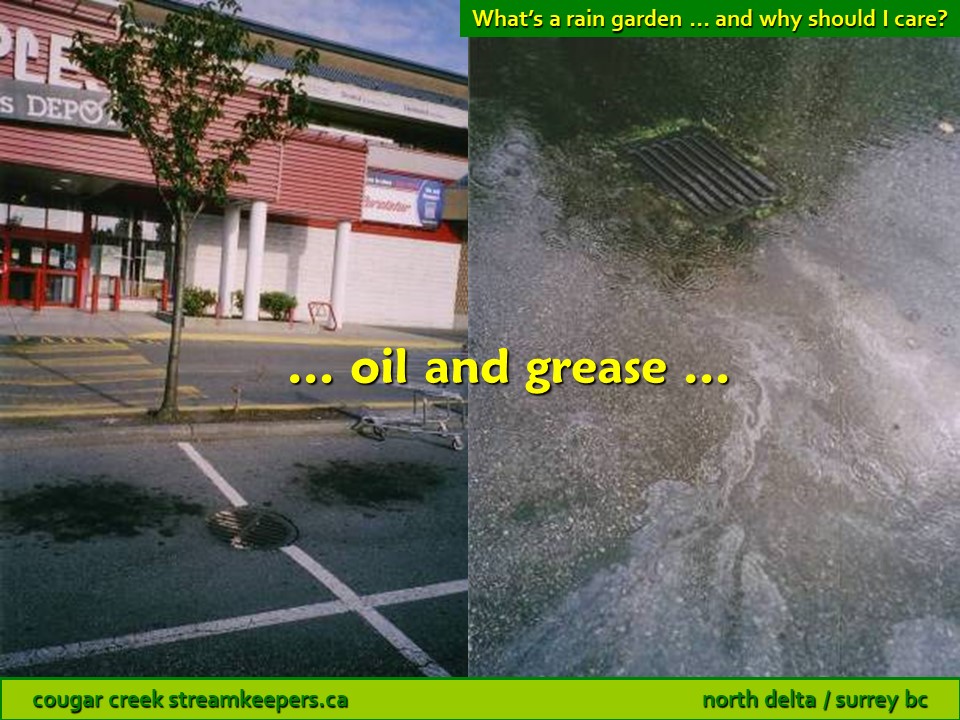
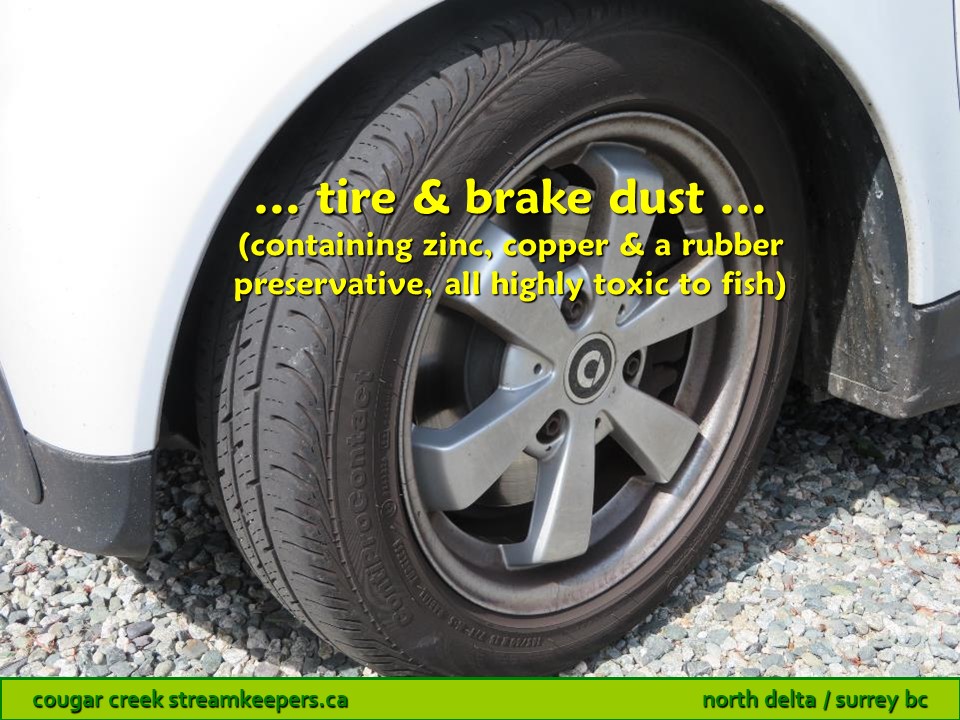
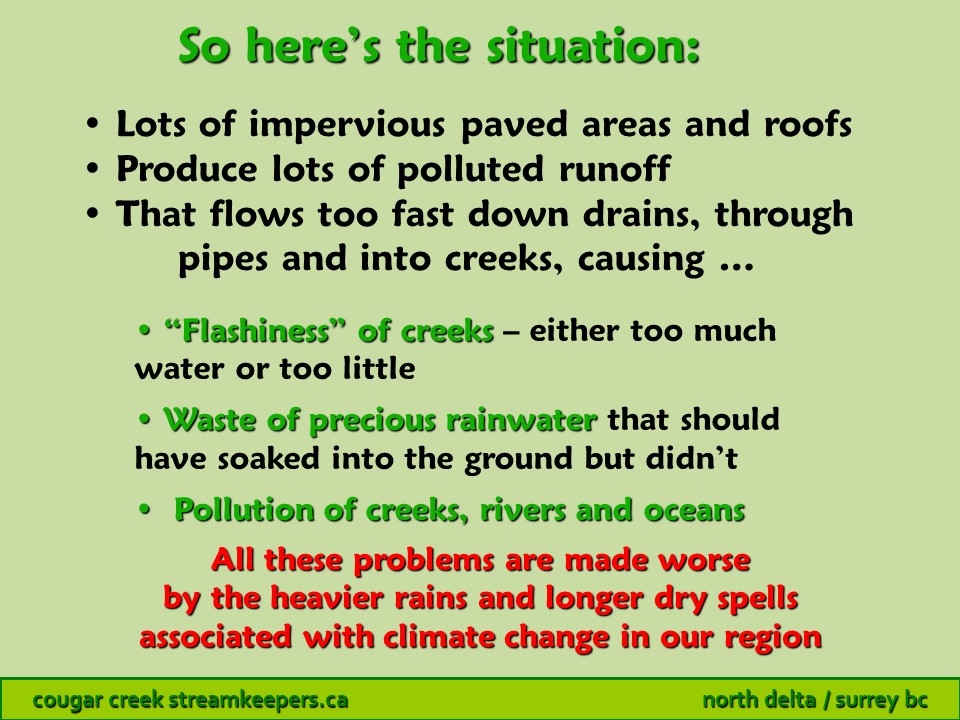
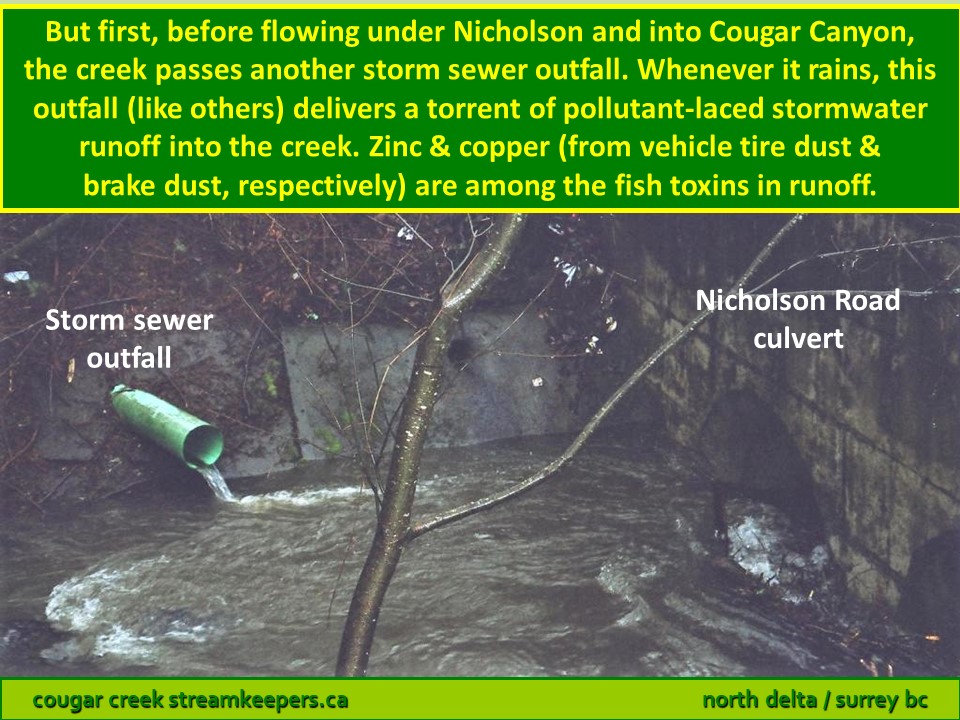
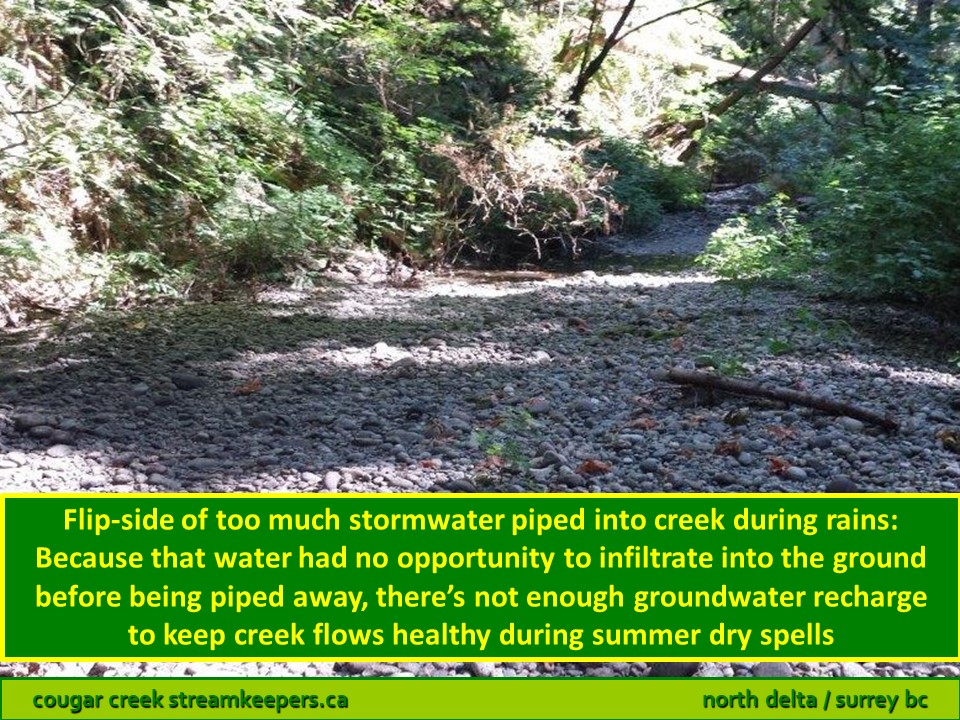
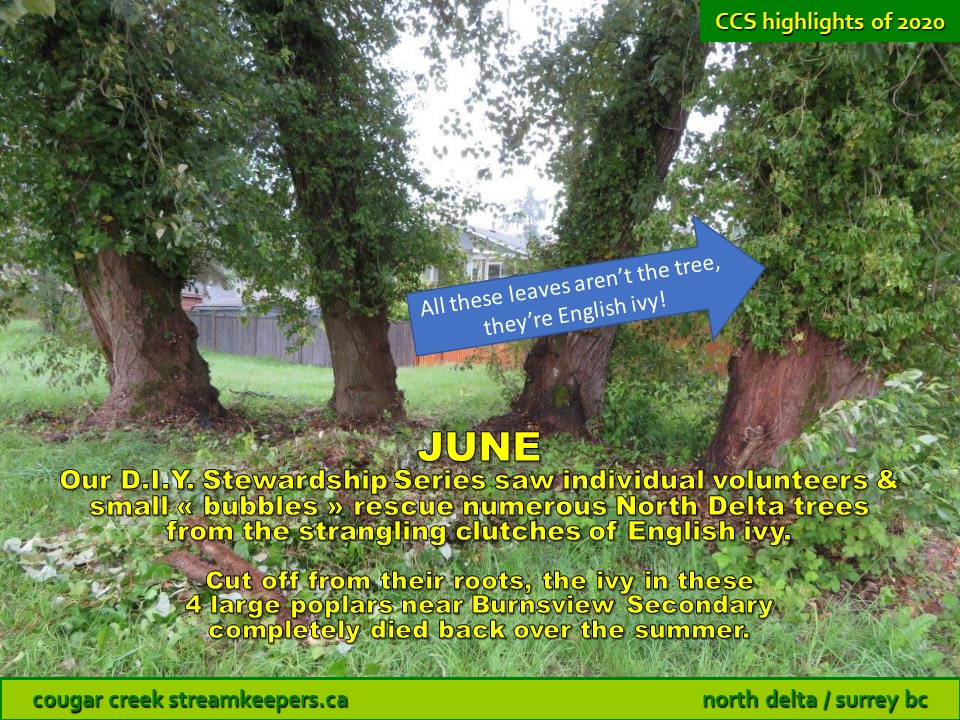
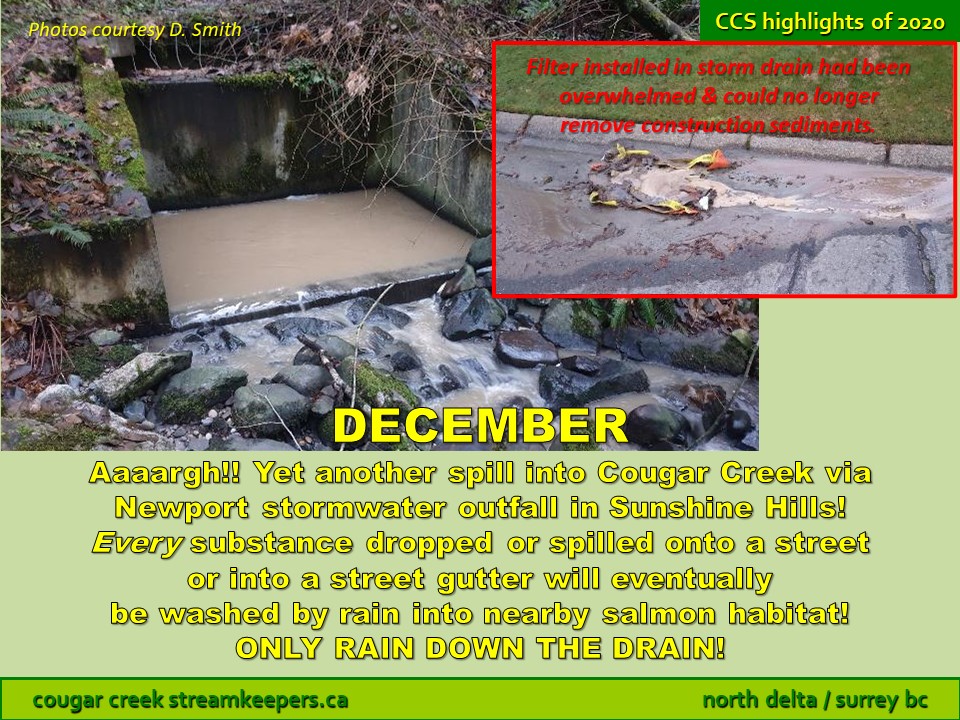
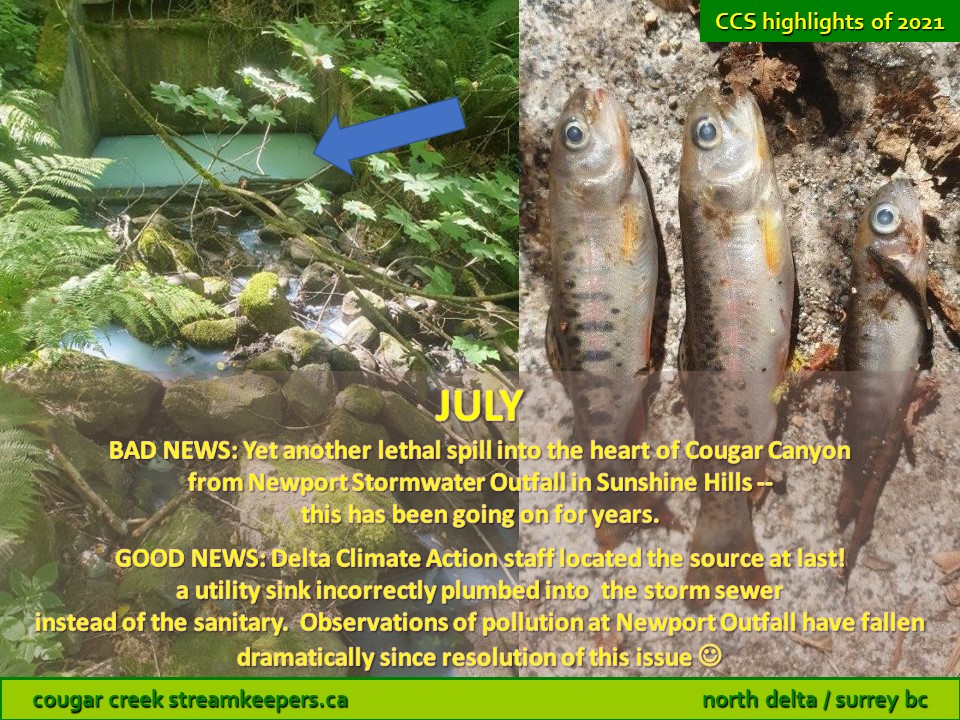
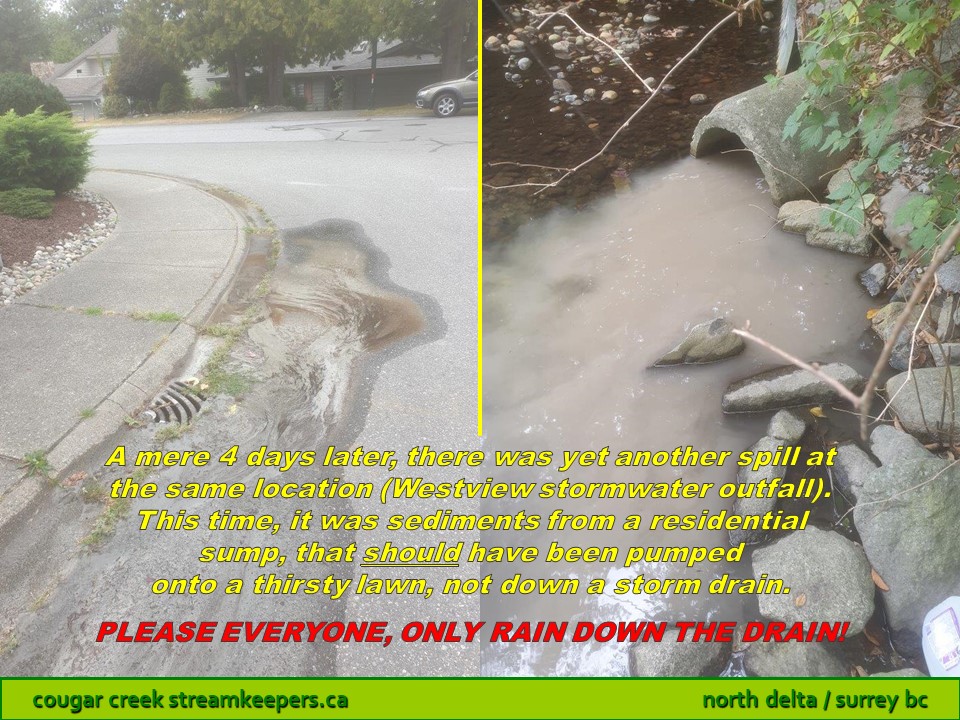
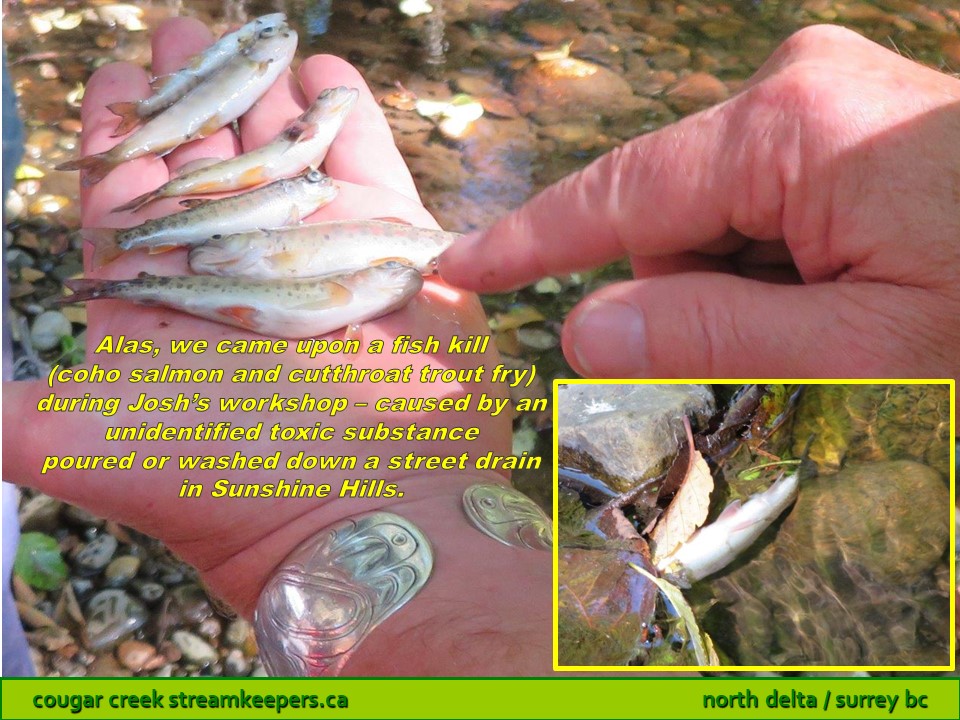
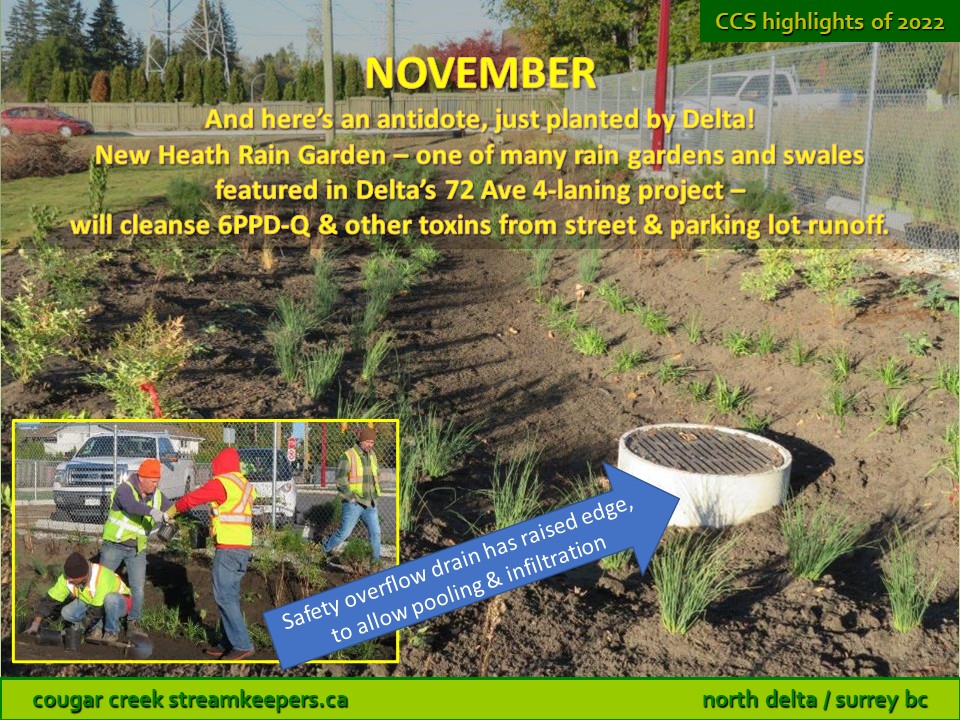
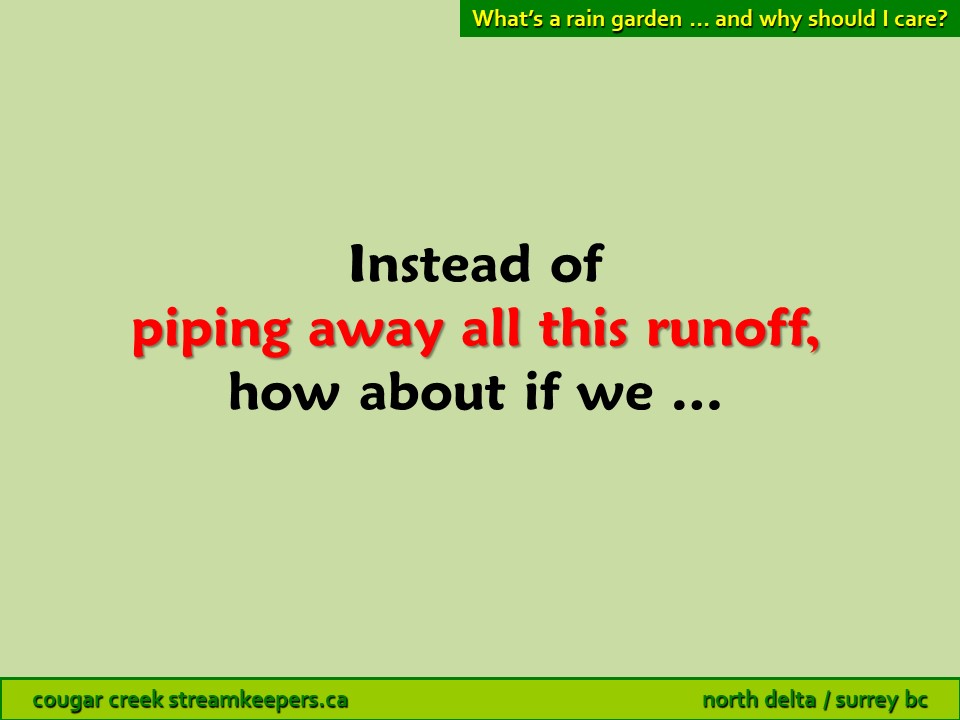
Tips for home and gardenNo matter where your home is located, any and all water that flows off your property and into a storm drain (one of those grated drains that we see everywhere in streets, parking lots and driveways) will eventually empty into a creek, lake or bay, and ultimately into the ocean. Even if you never deliberately empty toxins into a storm drain, simply the sheer volume of water running off your property can harm the “receiving waters”. (See Why Rain Gardens for more on this.). In addition, chances are that your property’s runoff contains pollutants that harm the aquatic environment and fish, such as:
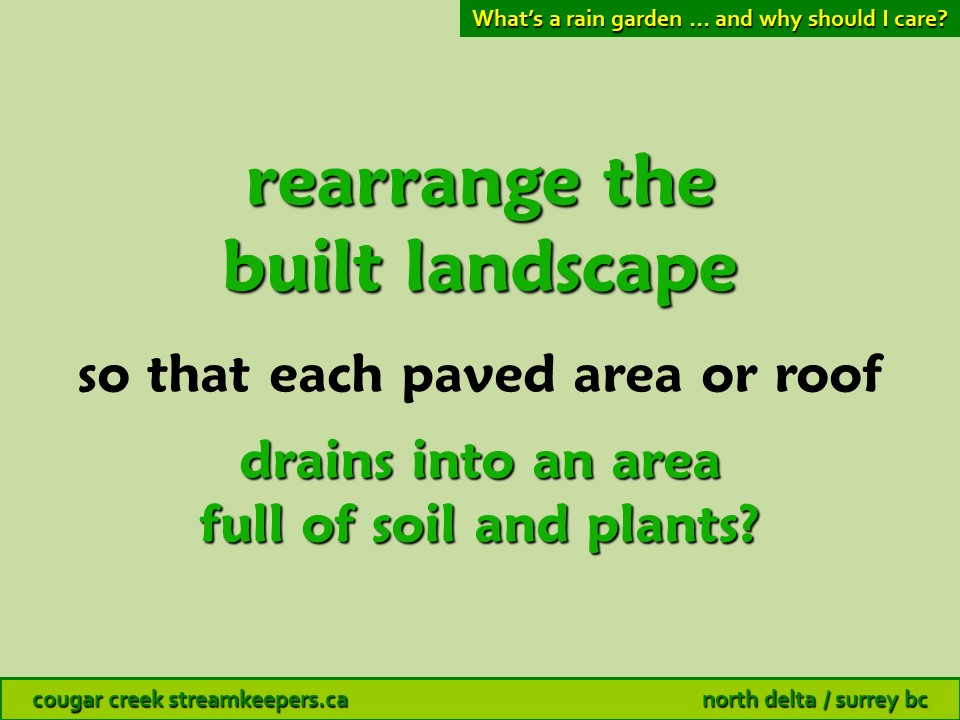
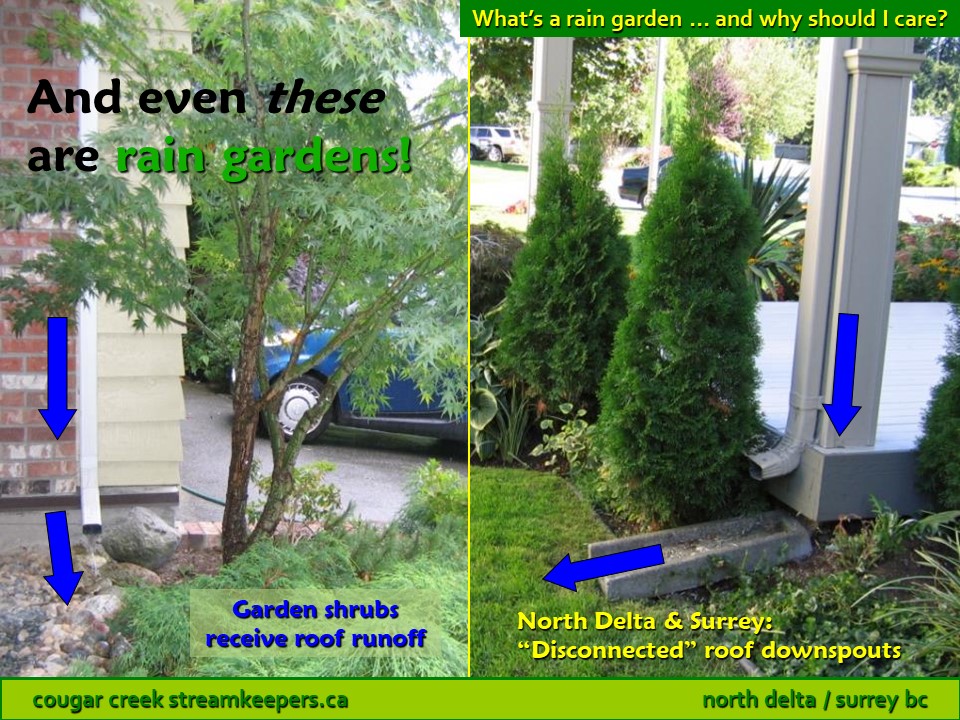
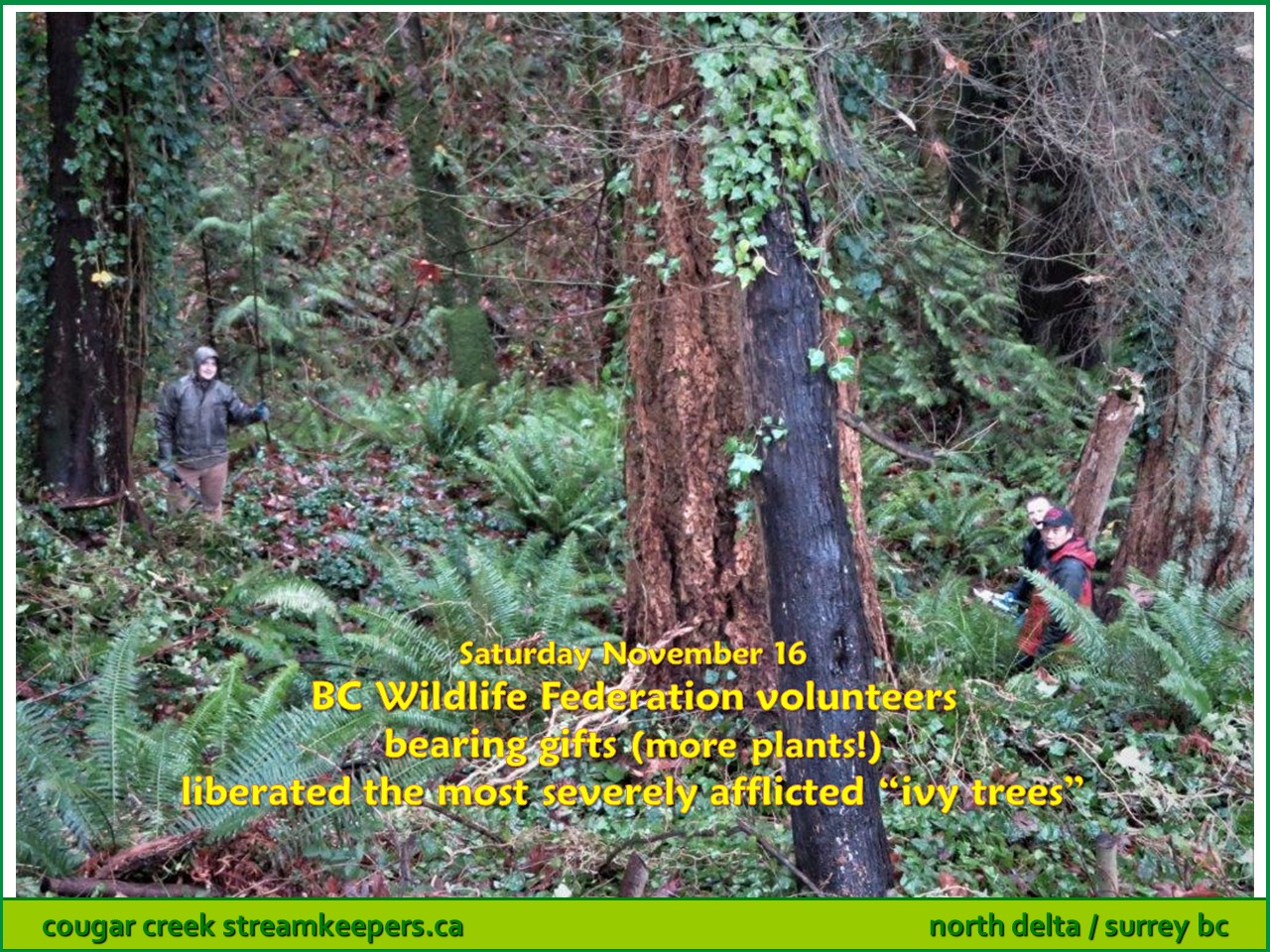
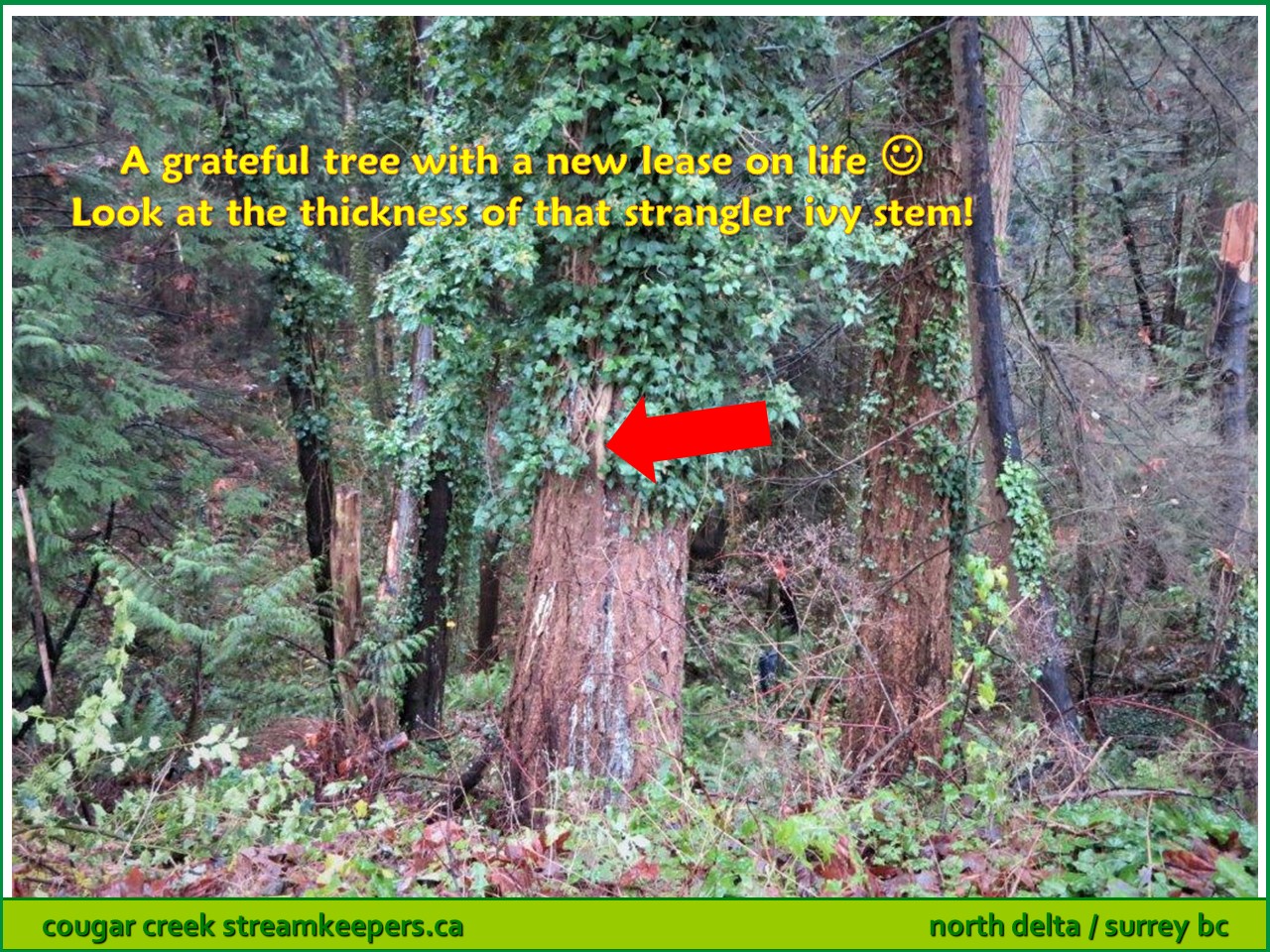
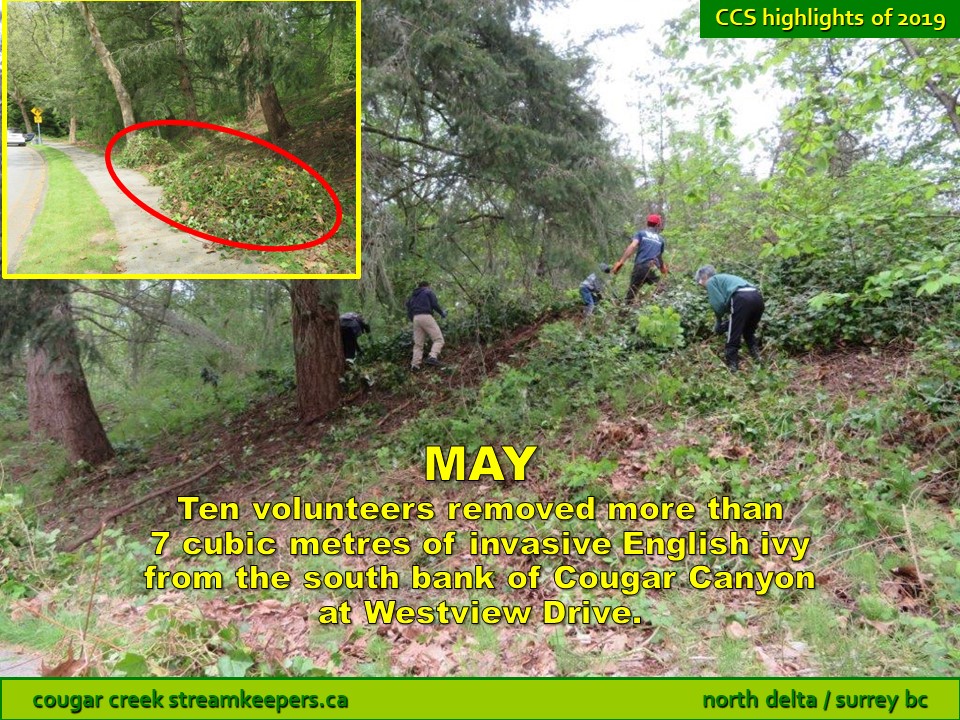
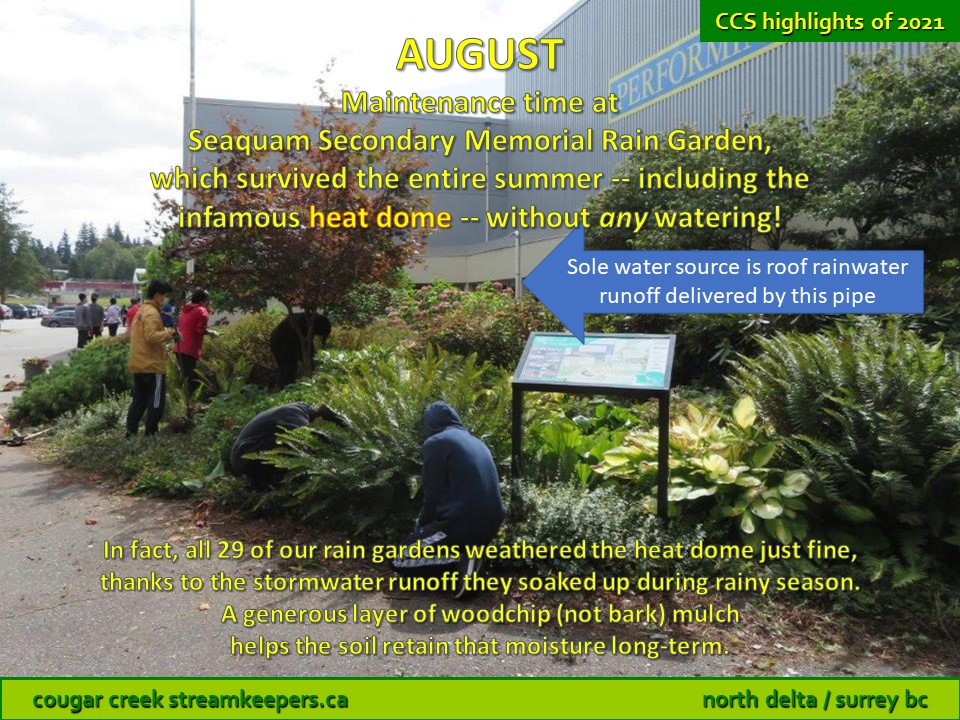
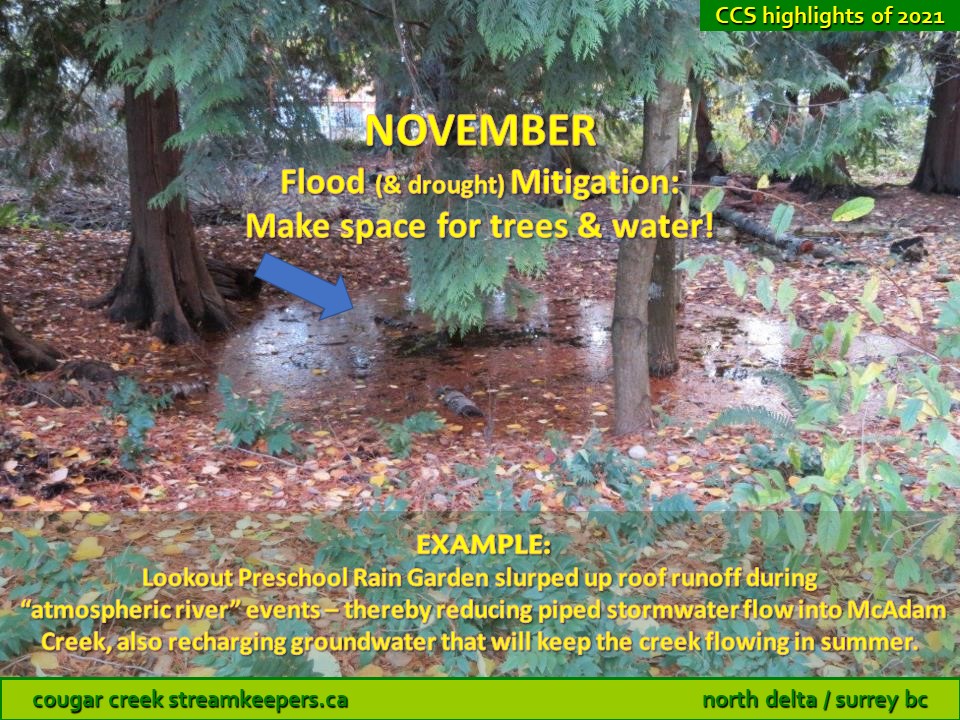
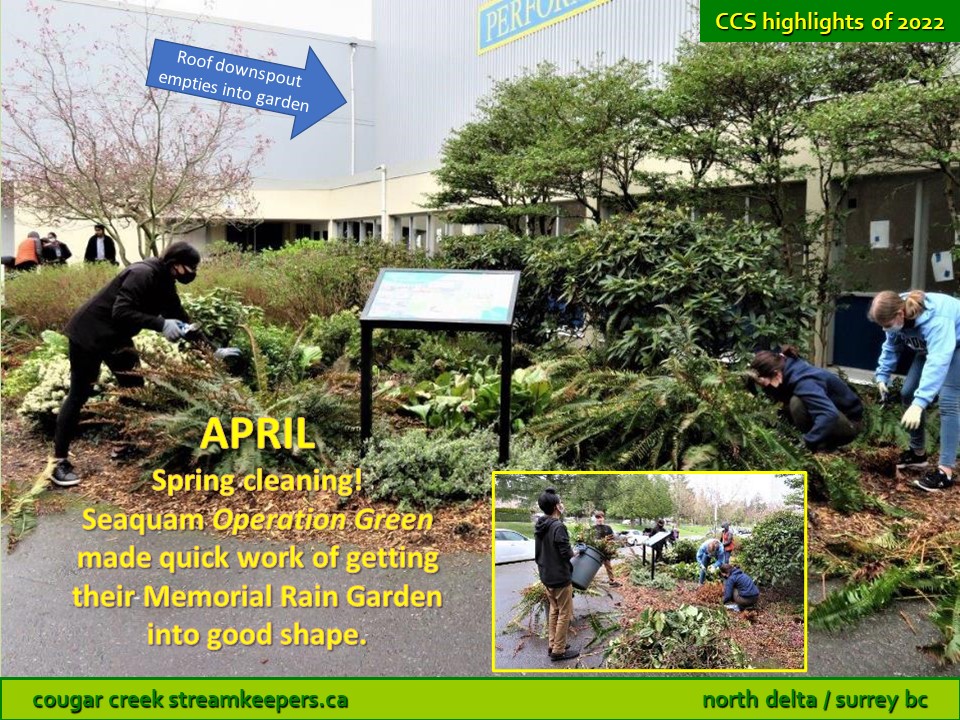
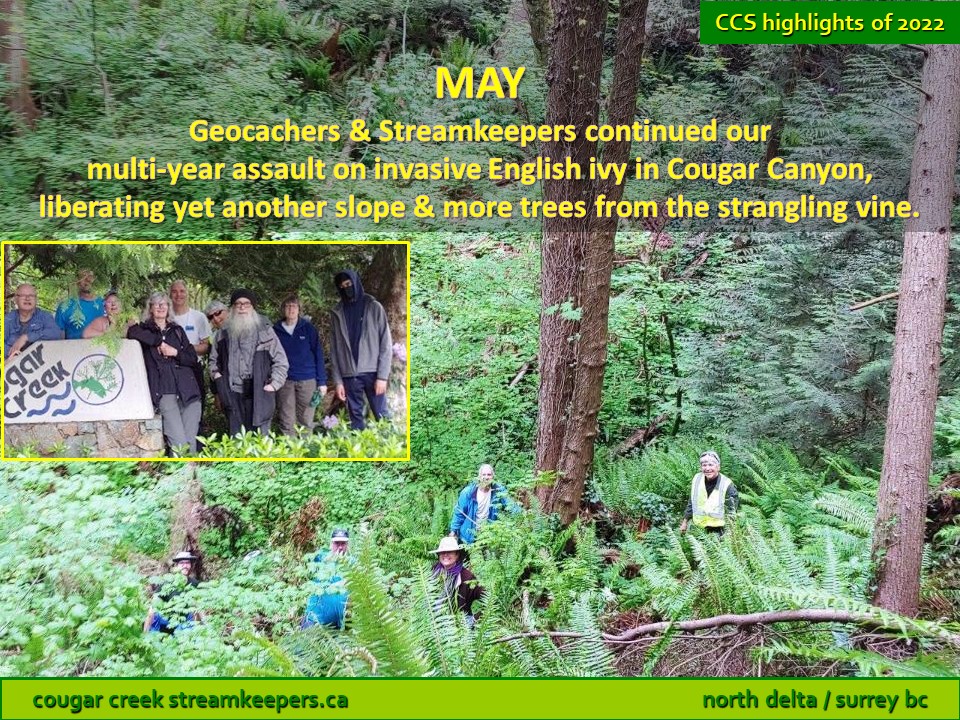
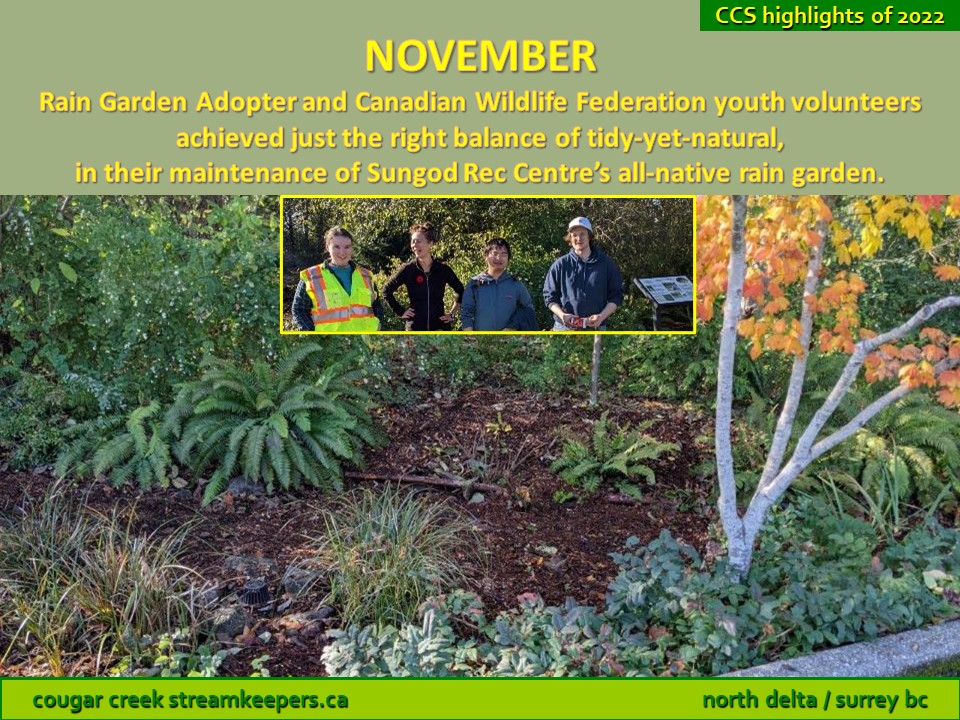
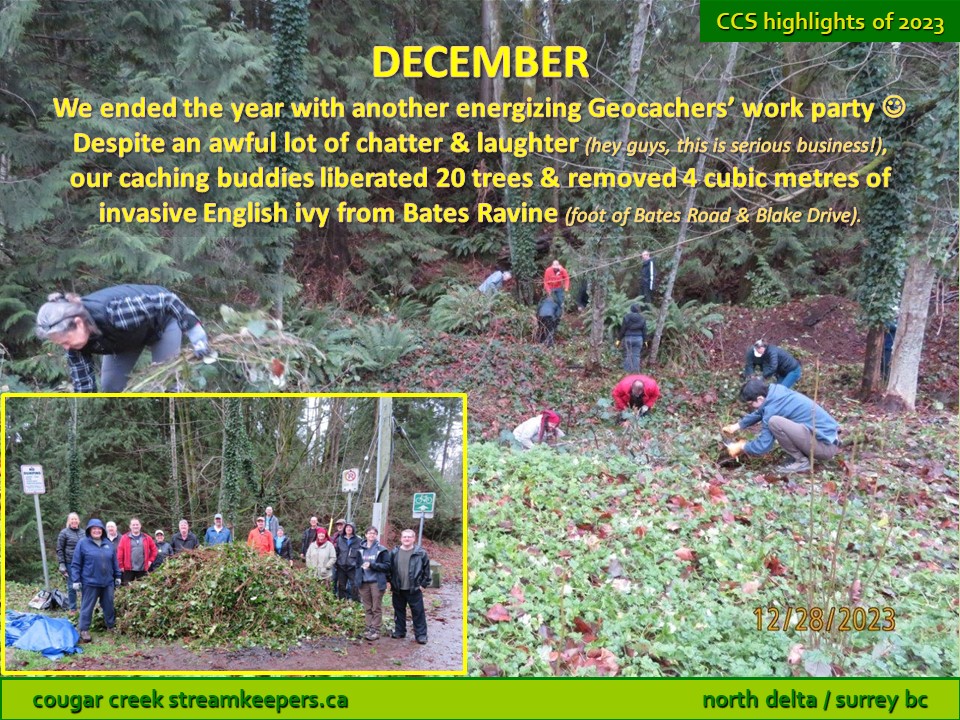
With the above in mind, here are some easy tips that you can follow, to reduce the burden your property places on aquatic habitats:Use porous materials such as gravel, brick, or pavers, for your paths, patios and driveway. These allow the filtering out of pollutants, as well as the recharge of groundwater supplies that help your garden through dry spells. Plant trees and shrubs generously around your property. The more vegetation you have, the better your property will filter and absorb rainwater and snowmelt. Learn to prune trees and shrubs correctly (mostly “thinning cuts”), so that you can enjoy sunlight and views while still maximizing the benefits provided by mature foliage and root systems. Keep invasive garden plants under firm control. Never ever throw prunings, unwanted plants, old hanging baskets, or garden soil into natural areas; you could easily be introducing one or more "thugs": English ivy, lamium (often used in hanging baskets), vinca (periwinkle), Japanese knotweed, purple loosestrife, policeman's helmet, and others. For more information, check out the website of the Greater Vancouver Invasive Plant Council. Disconnect your home’s roof downspouts from the drain system wherever it is safe to do so (that is, wherever it won’t cause flooding of your own or your neighbour’s basement!). Run the roof water into rain barrels and/or rain gardens. (See Create a Rain Garden) Minimize or eliminate your use of pesticides and other garden chemicals. Many safer alternatives exist – the safest being “mechanical” removal of pests (weeding with a trowel, hosing off aphids, drowning slugs in beer, etc.). Focus on building the health of your garden soil with compost and other natural soil amendments, and you’ll create a healthy ecosystem that resists pests and diseases, and also filters and stores water. Wash your car on the lawn, or any other unpaved surface such as a gravel parking strip. When the neighbours look puzzled, tell ‘em you’re saving salmon. (And remember to minimize your use of detergents and soaps – though a lawn can certainly handle occasional doses of those with no trouble.) Sweep paths and driveways rather than power-washing them, unless they are sloped toward a rain garden that can filter and absorb all that chlorinated tap water (highly toxic to fish). (See Create a Rain Garden) And of course: never EVER wash any litter, dog feces, excess paint or concrete, or household chemicals down a storm drain! Remember:
|